
awâsisak kâ-nîmîhtocik St. Francis School
The Challenge
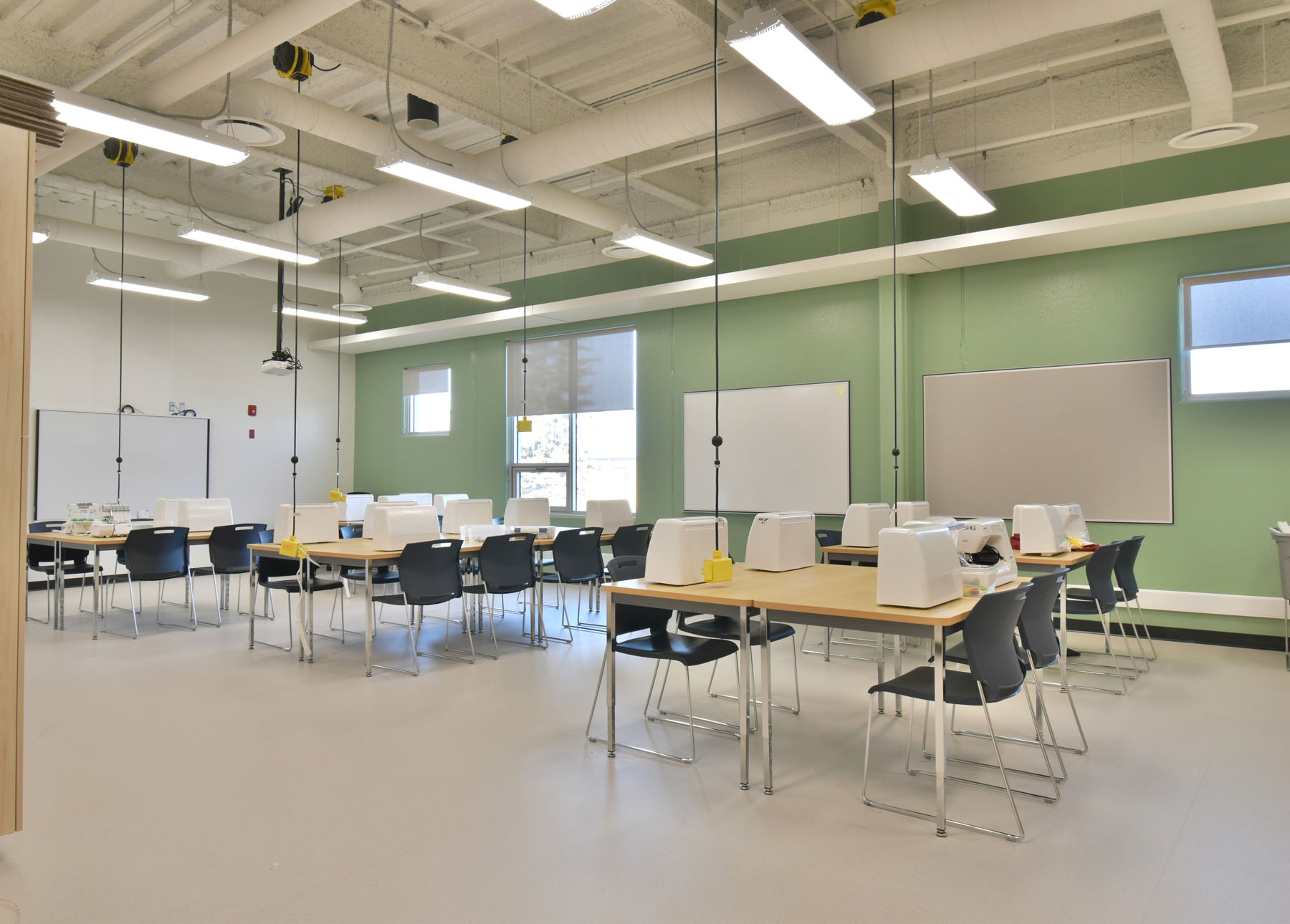
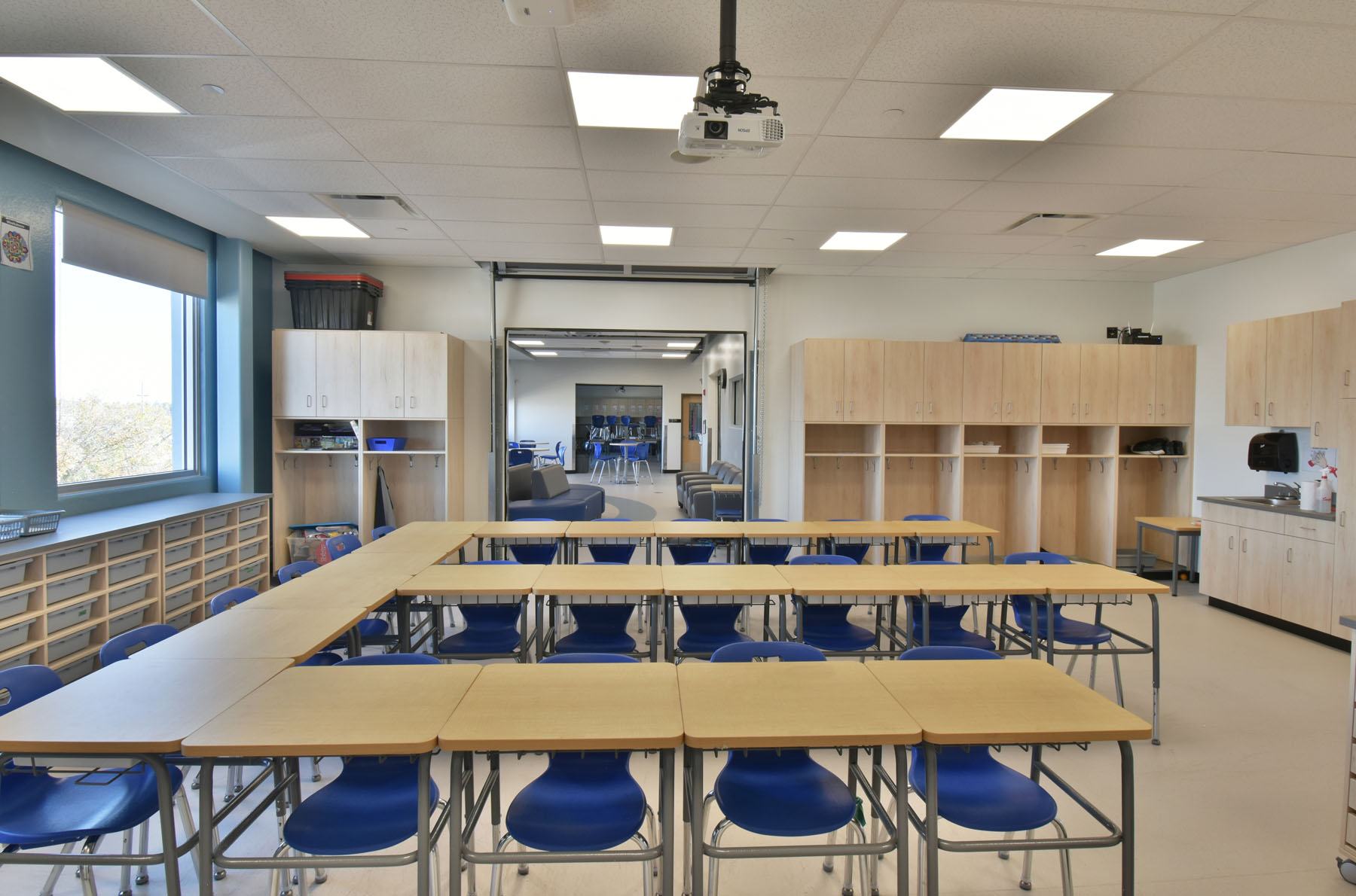
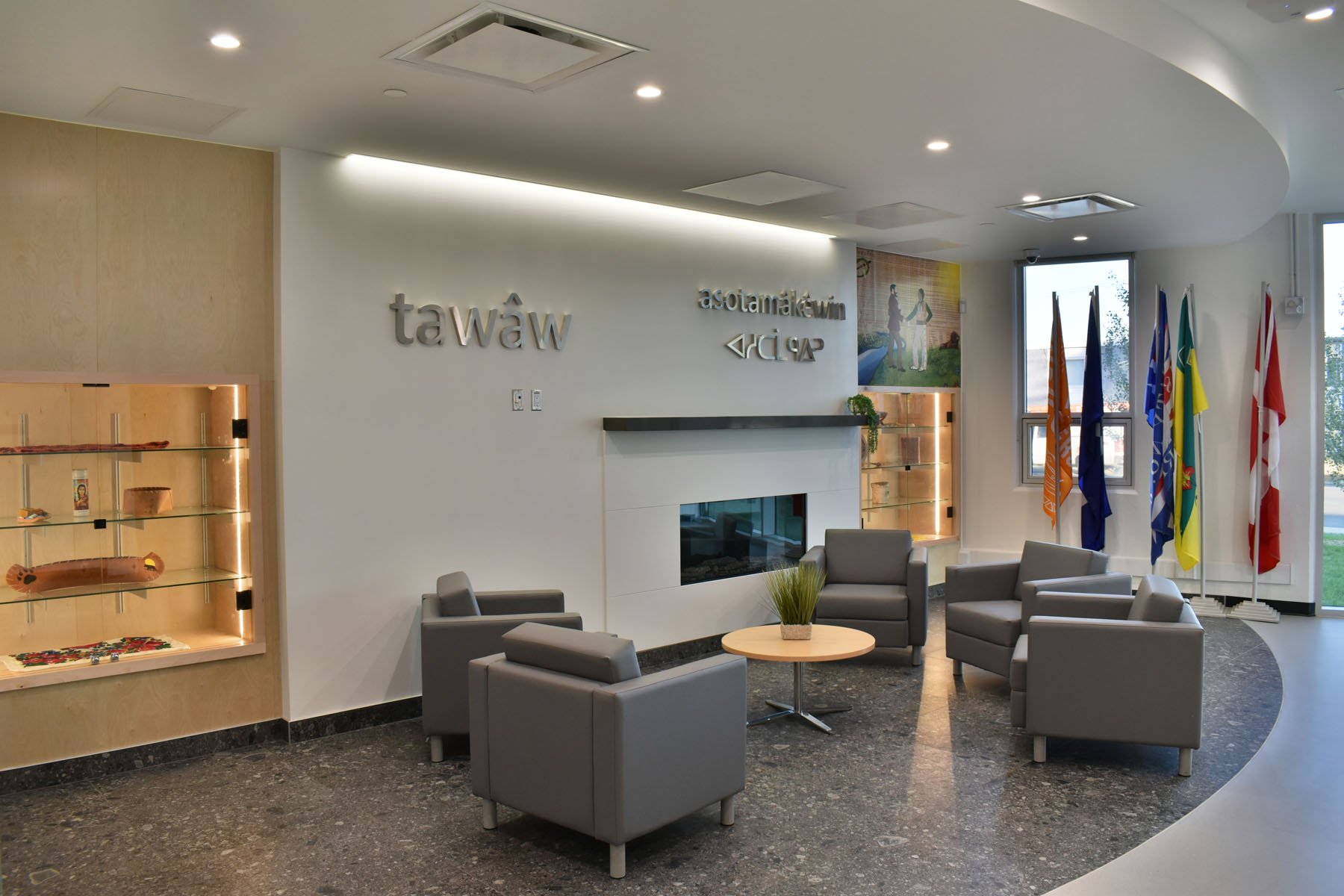
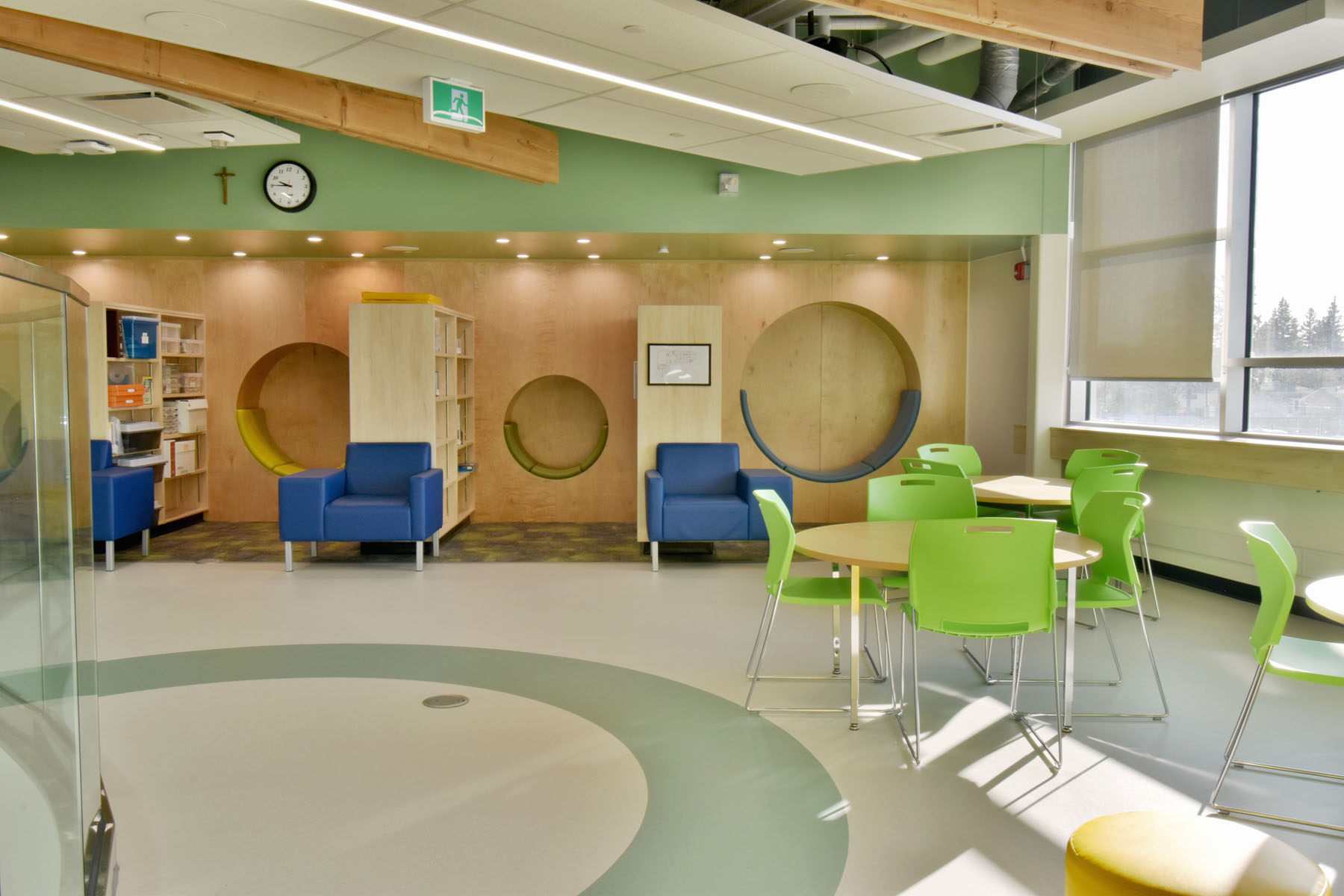
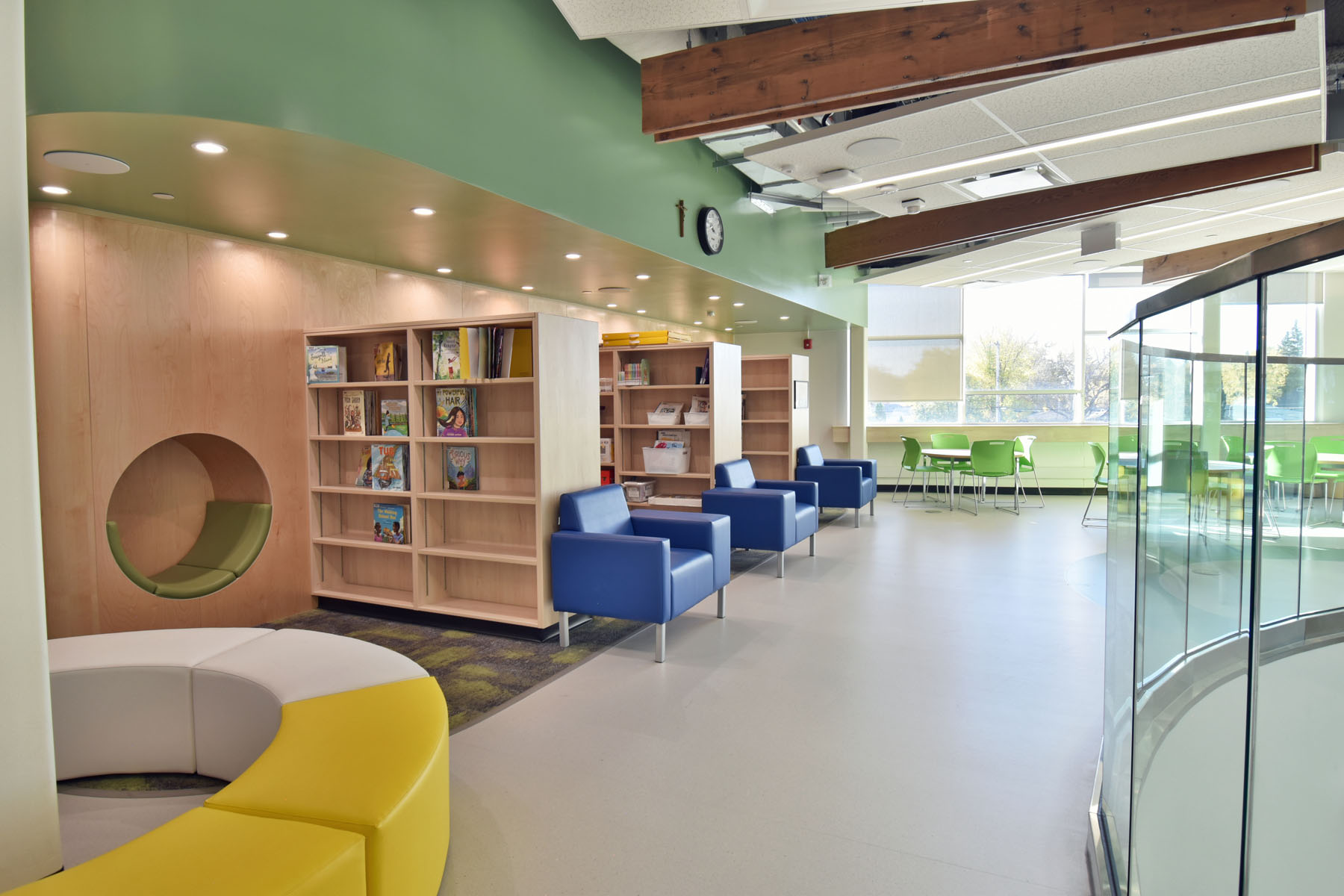
As a learning environment for young children, the furnishings needed to be durable and functional while still feeling warm, welcoming, and age‑appropriate rather than rigid or institutional. The choices also had to respect and reflect Indigenous culture and identity, support diverse learning styles, and create spaces where students feel safe, cared for, and proud of who they are.
Furnishings by




Belonging, curiosity, cultural grounding.
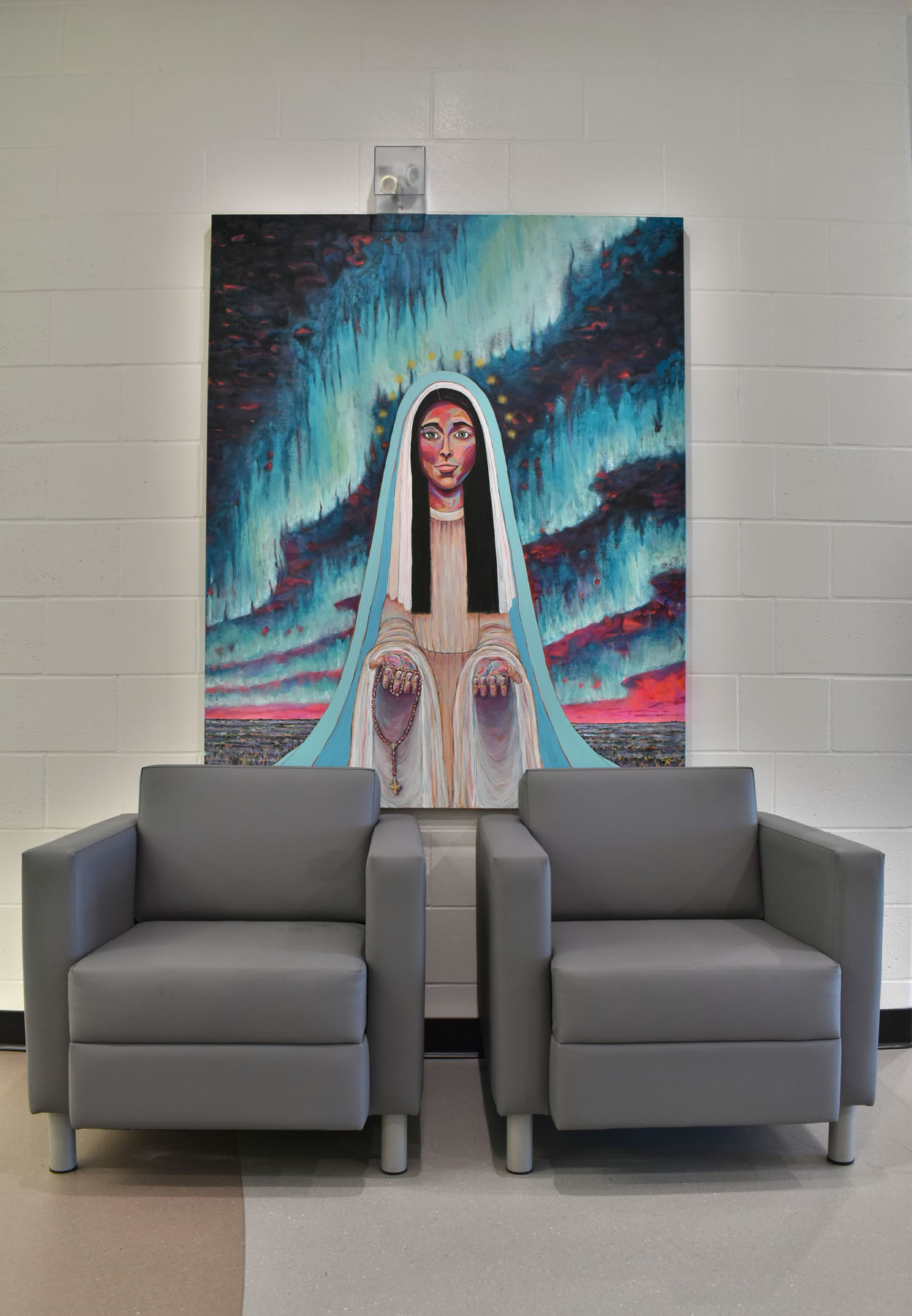
Meaning “children who are being cared for,” awâsisak kâ‑nîmîhtocik St. Francis School was envisioned as a place where students feel seen, supported, and inspired to learn. Working closely with the school team, we helped select furniture that reinforces this vision—warm, durable, and thoughtfully scaled pieces that support young learners while reflecting Indigenous identity and care.
Furniture that supports learning.
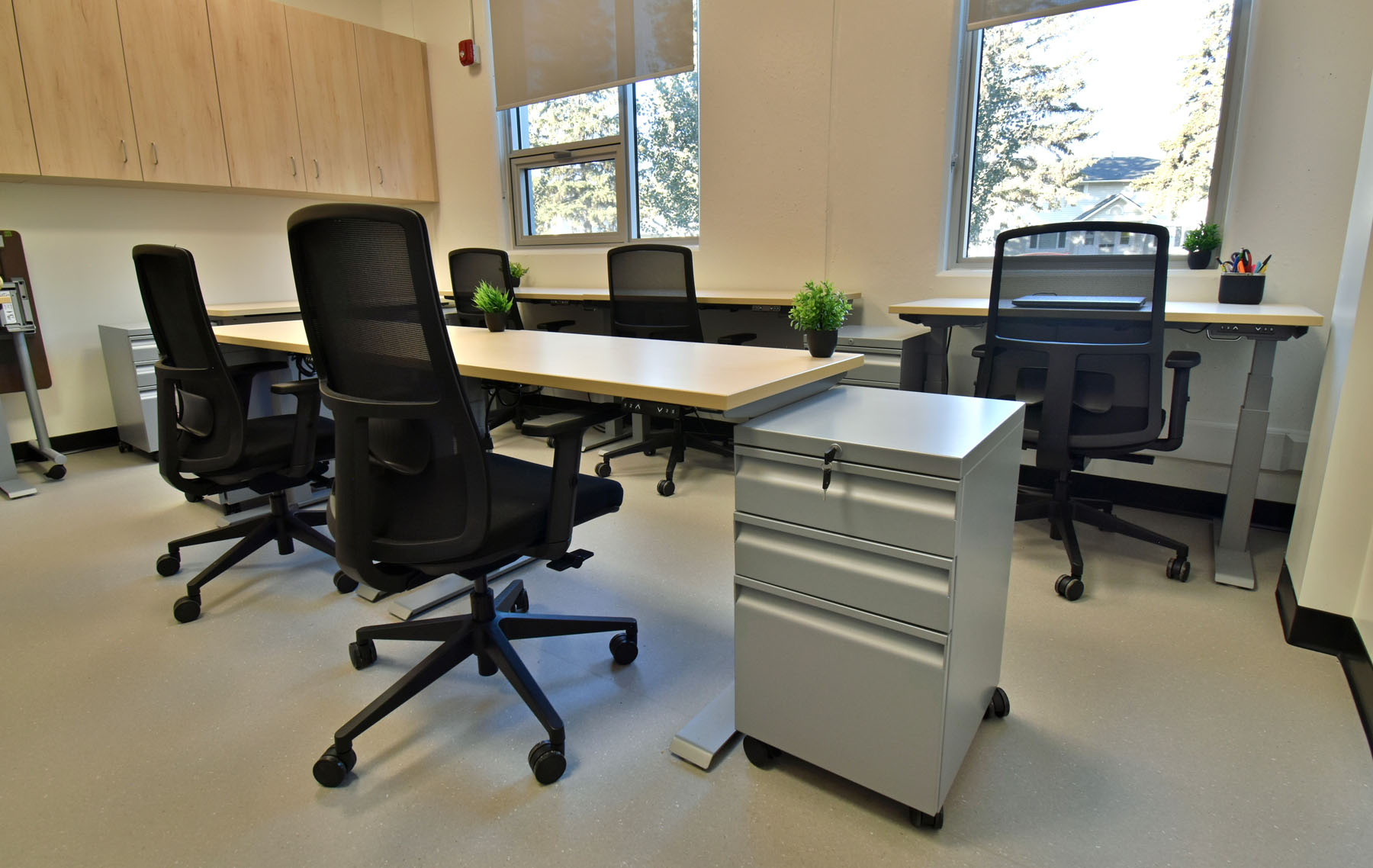
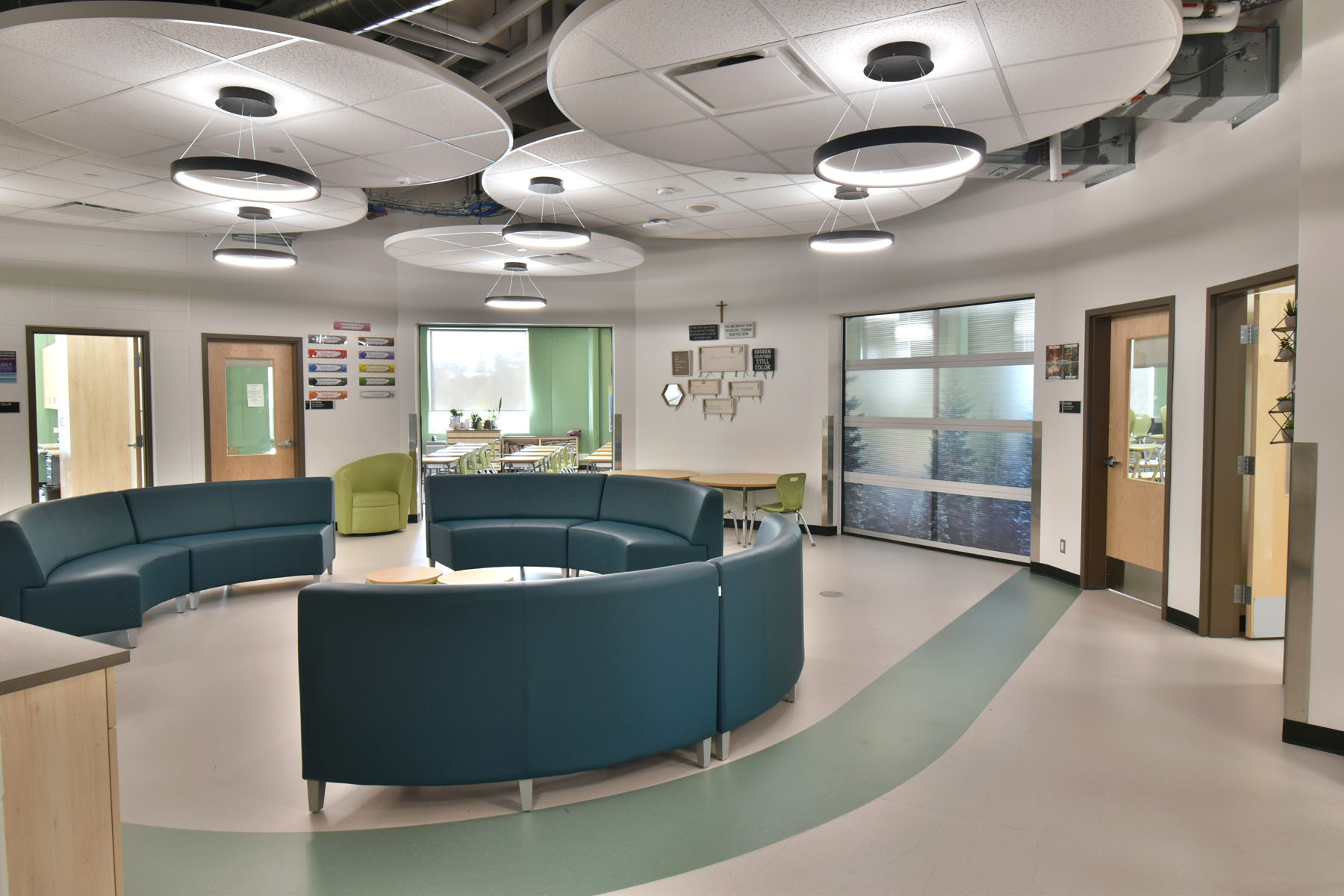
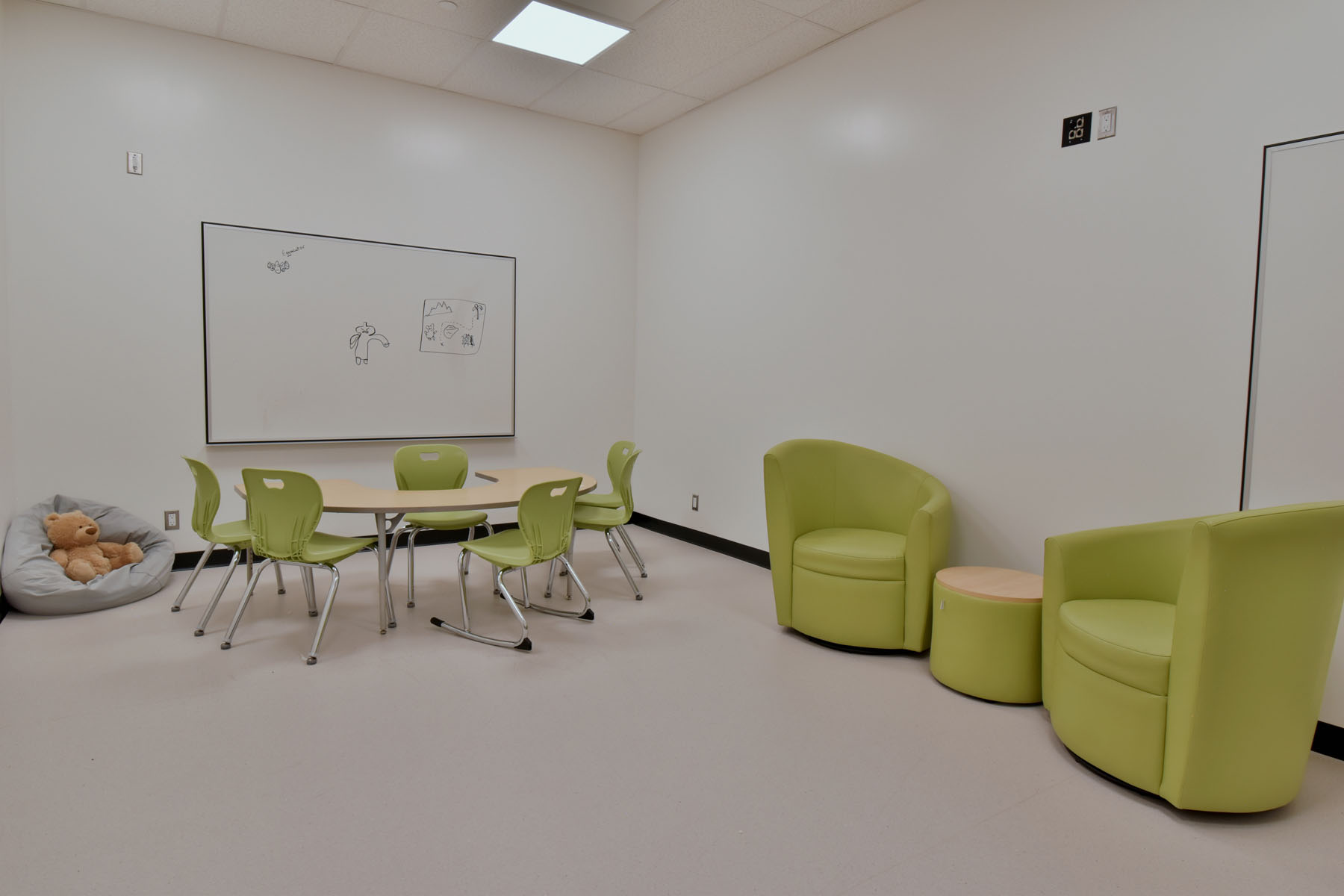
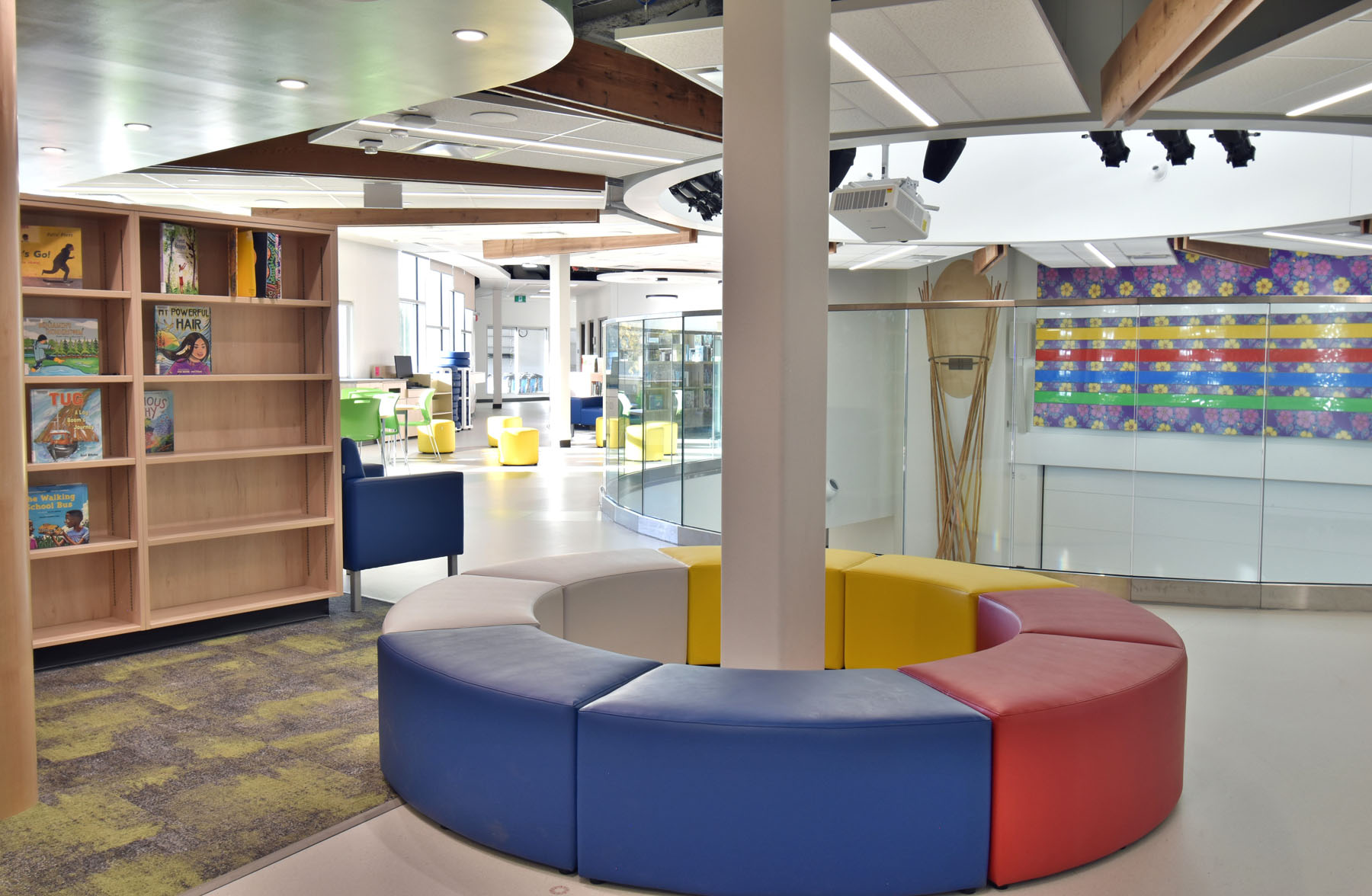
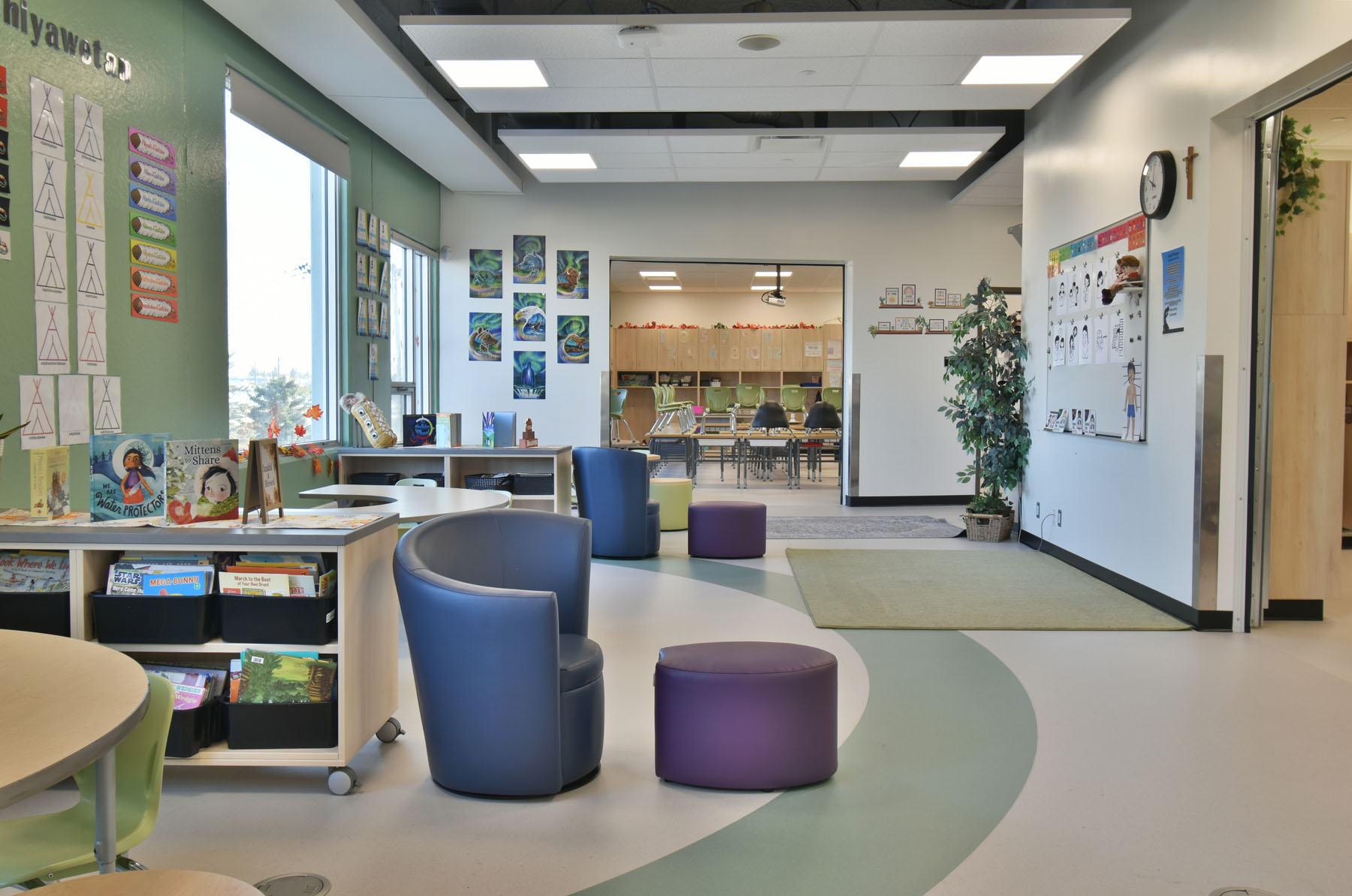
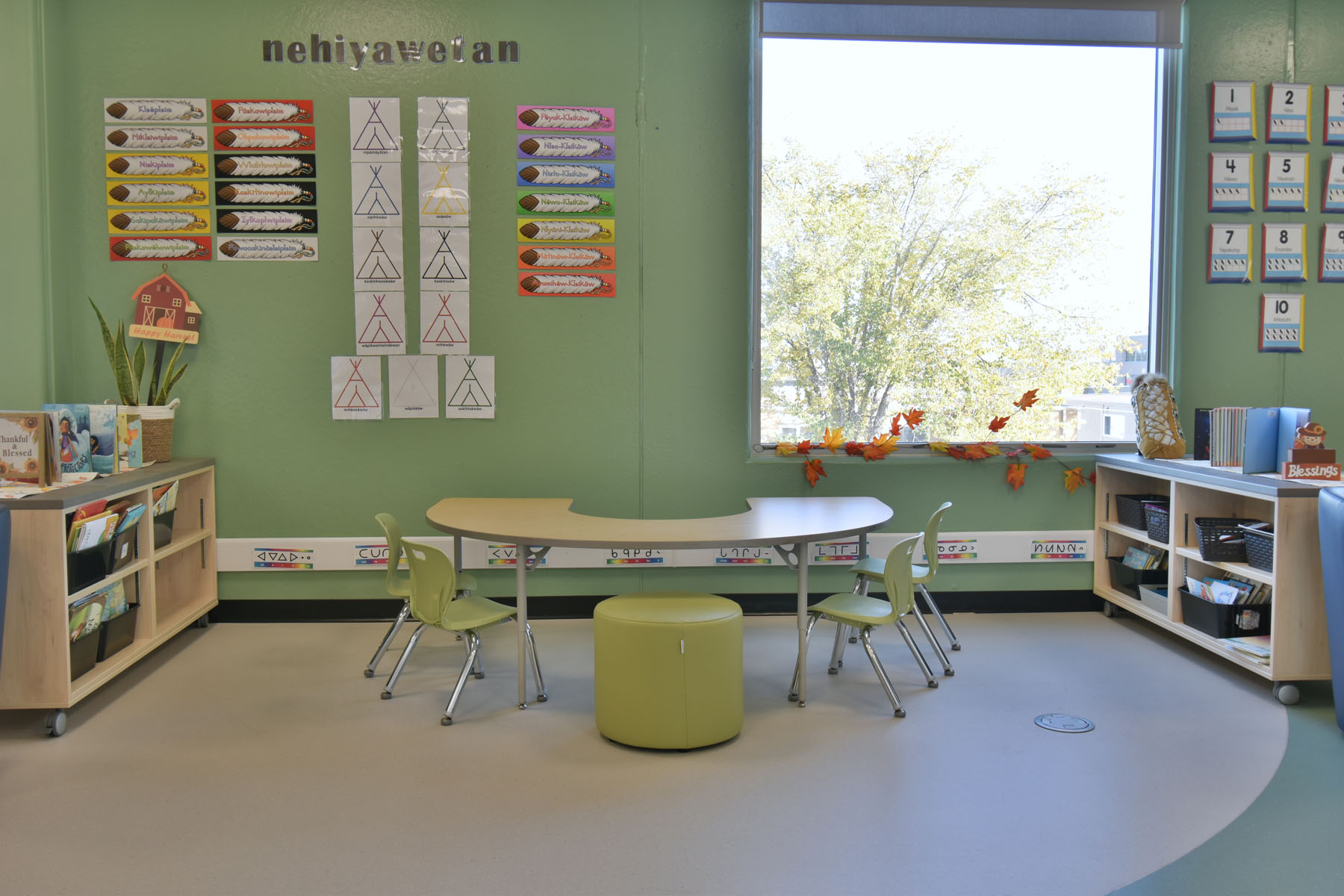
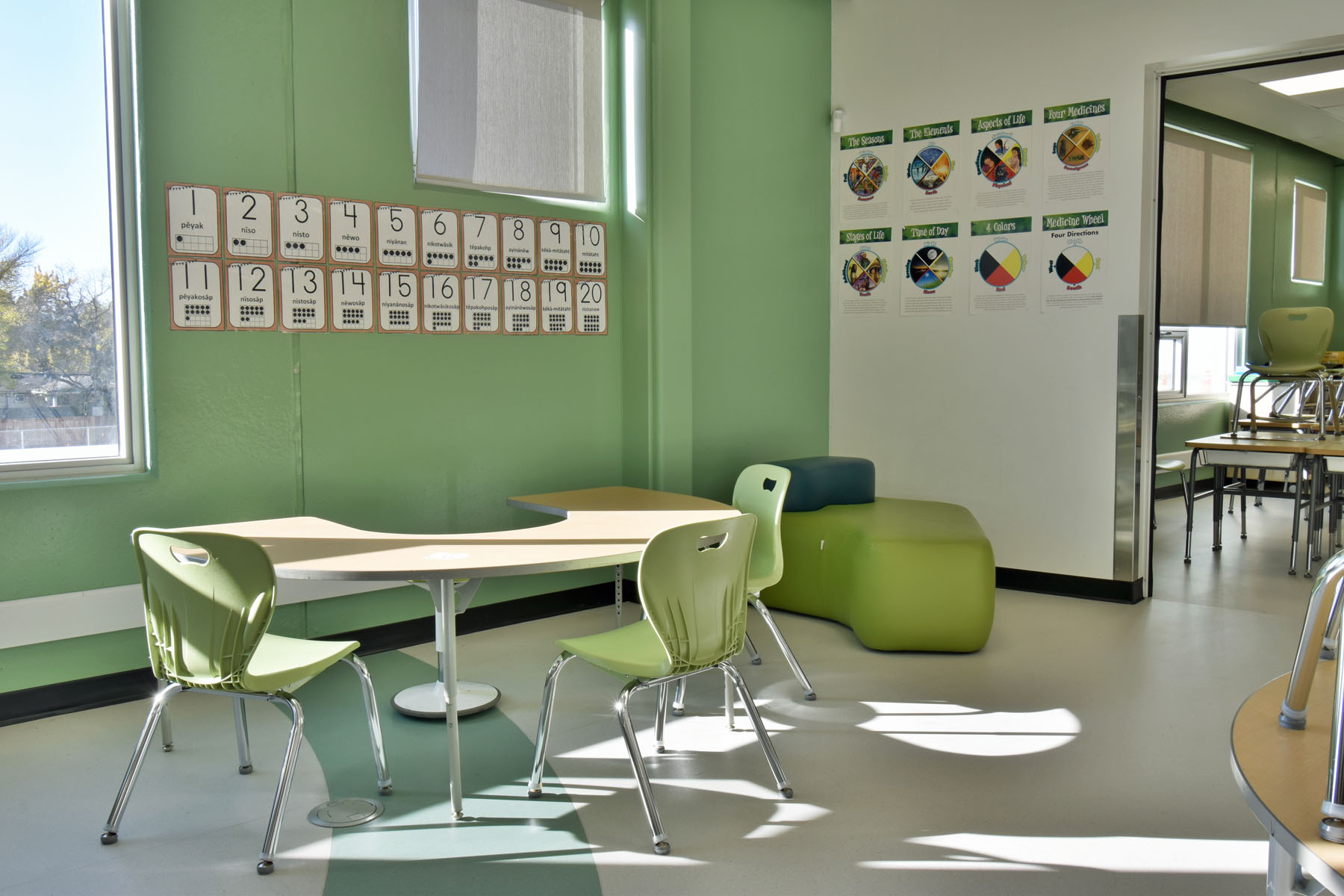
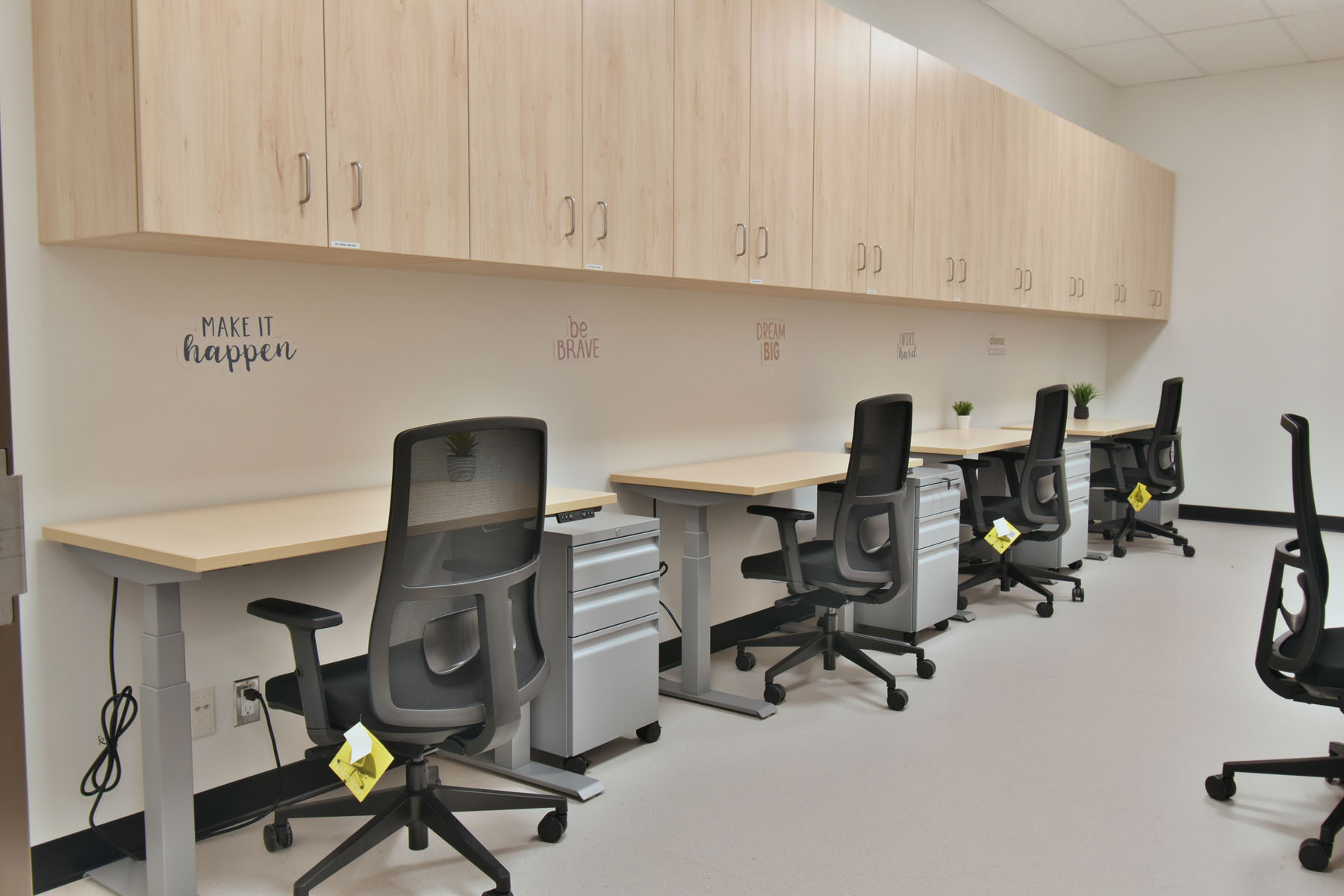
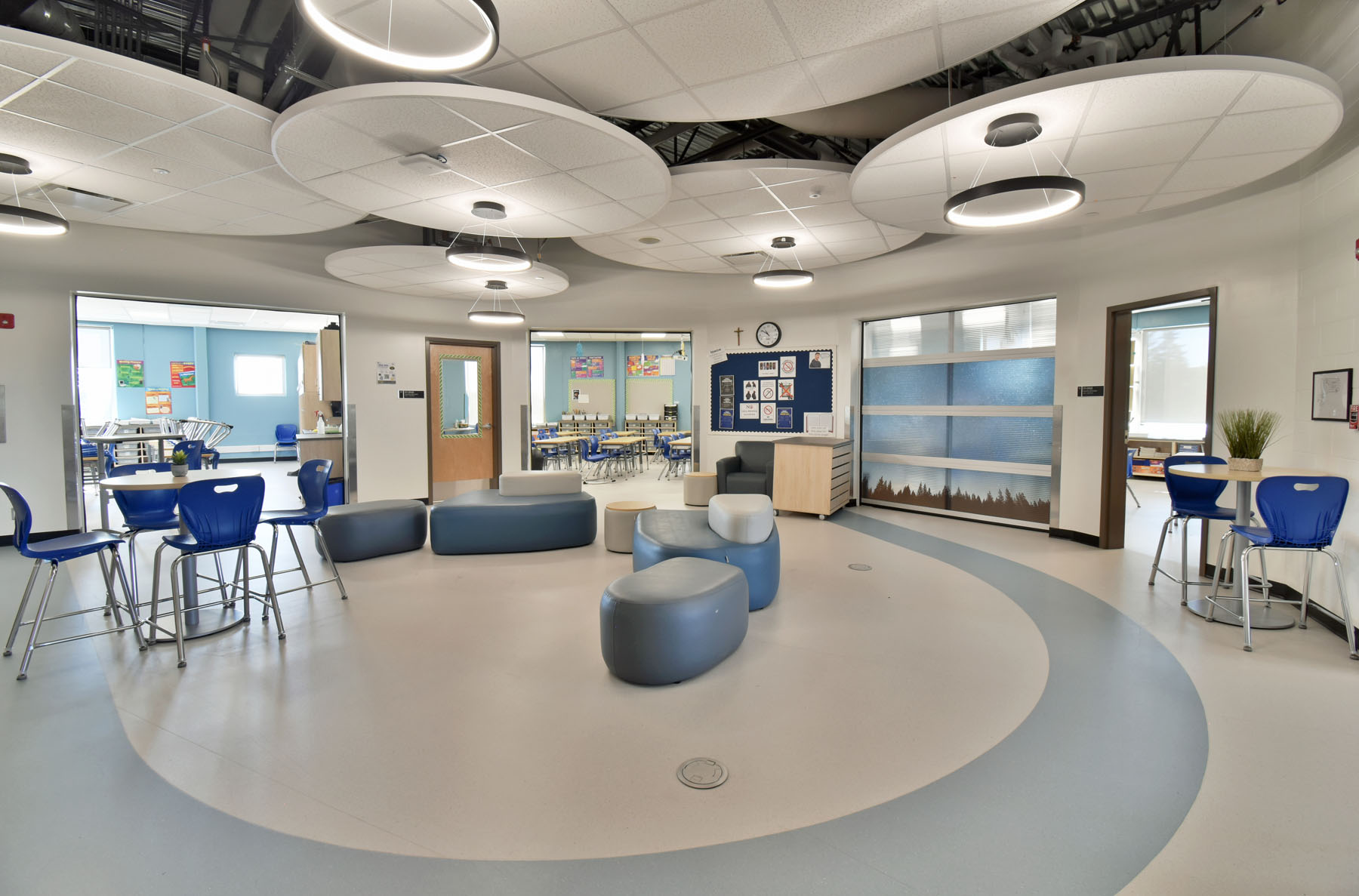
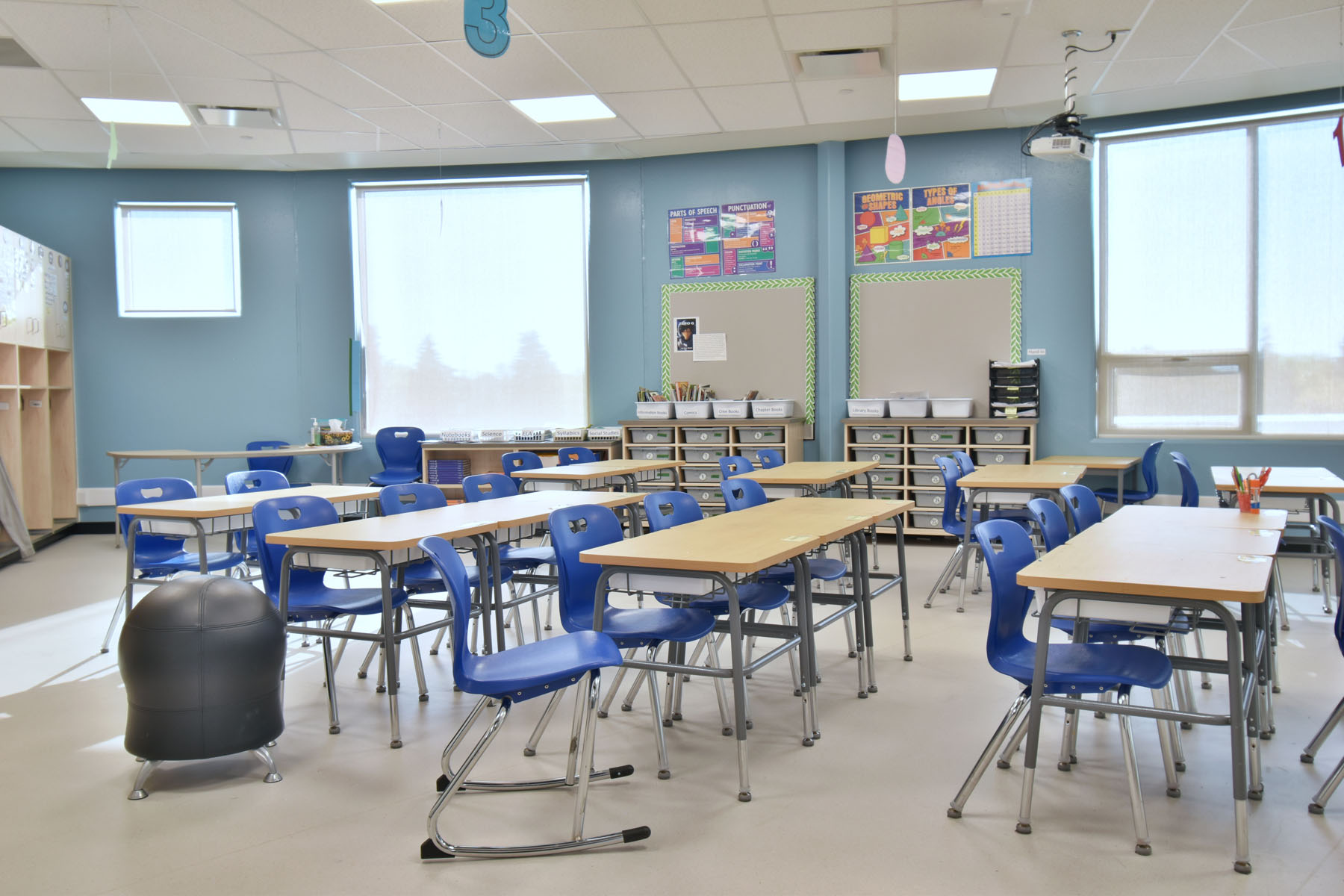
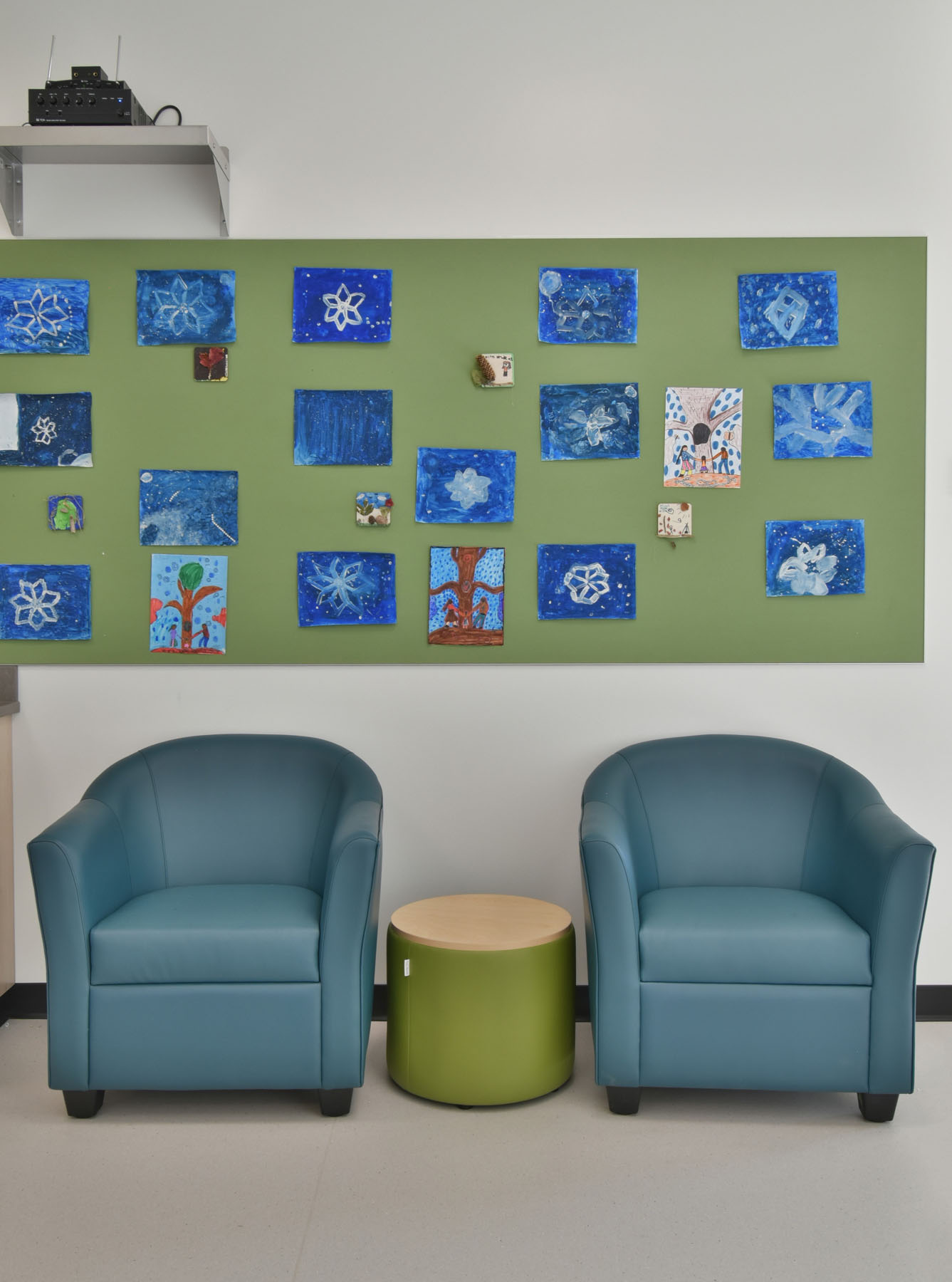
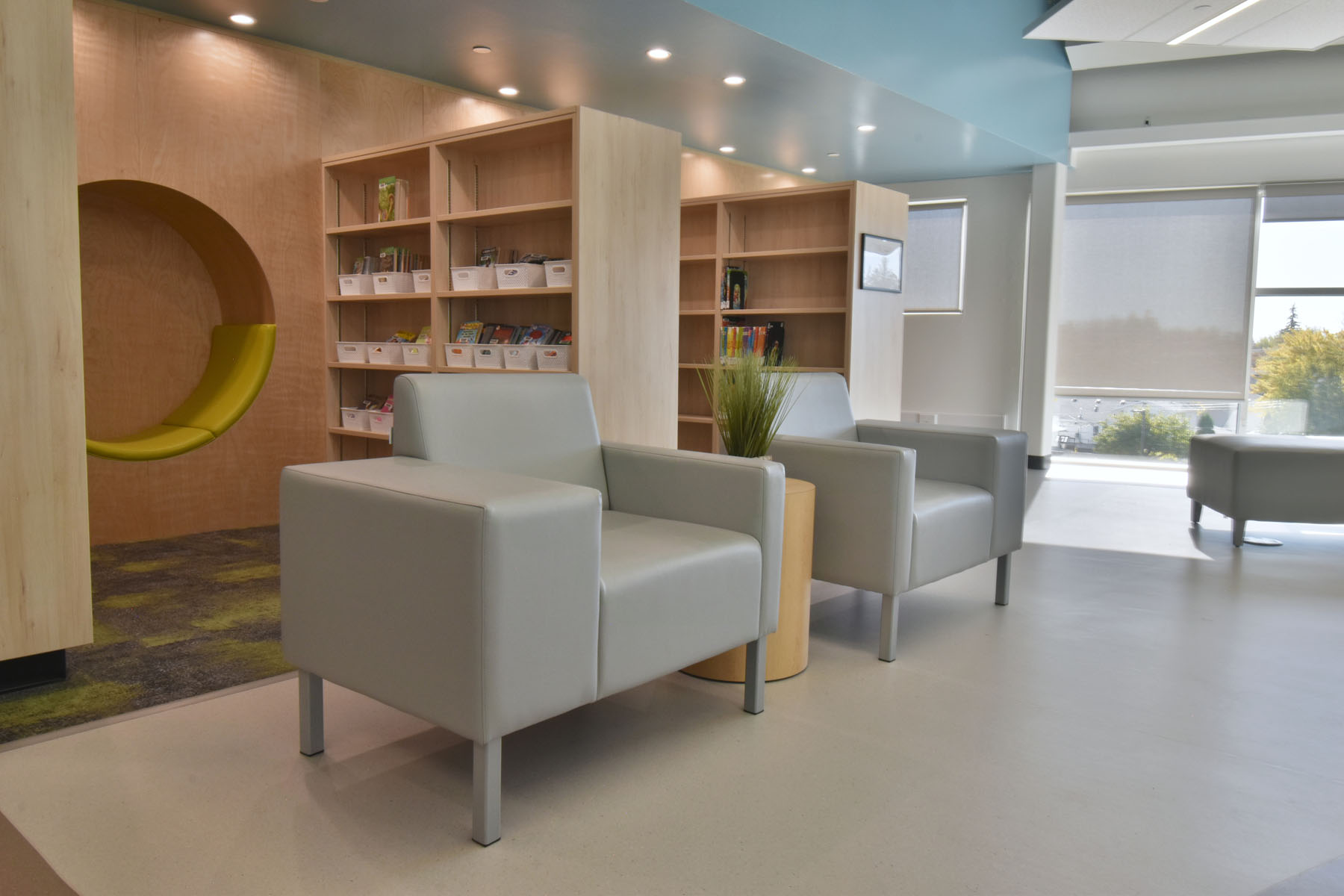
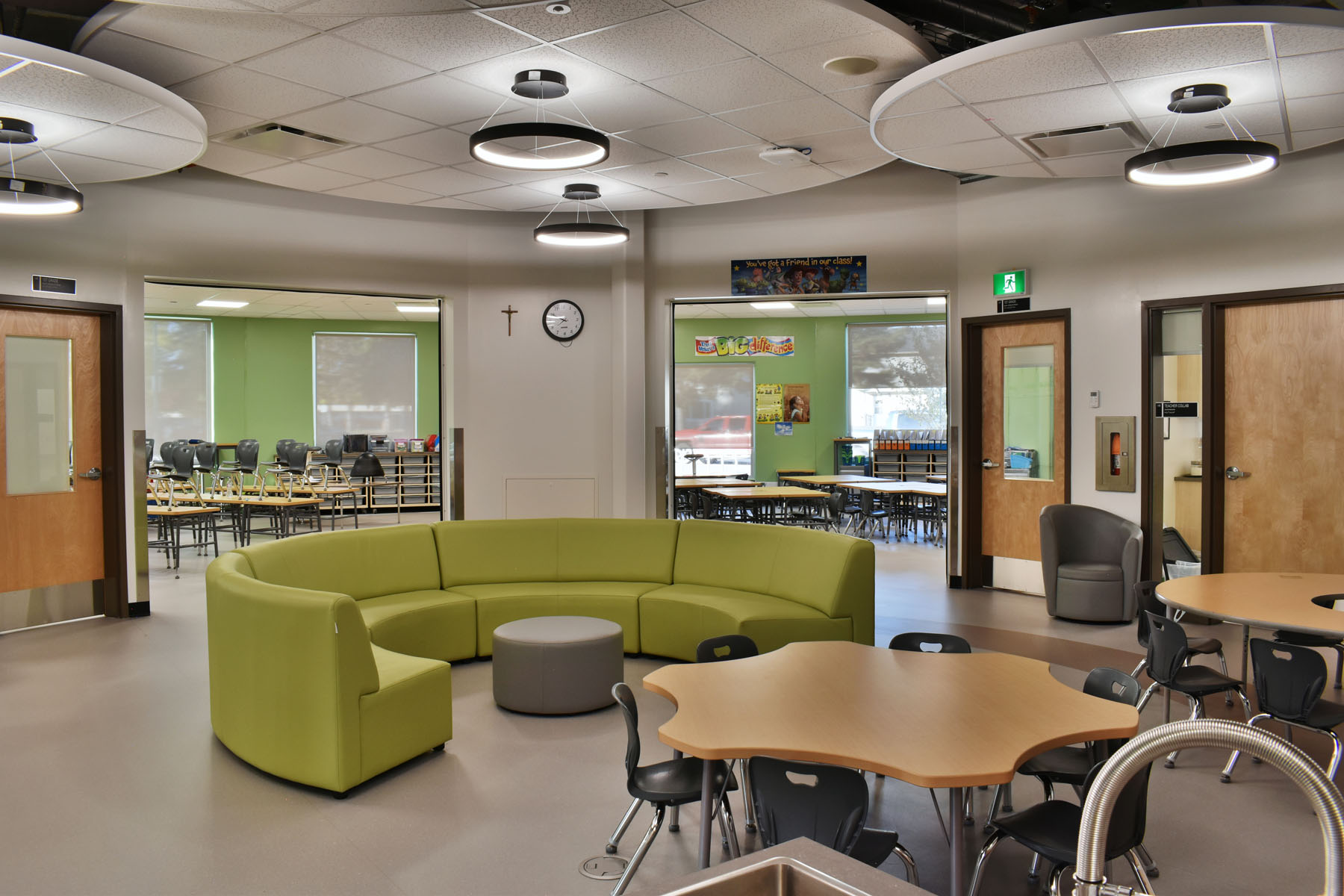
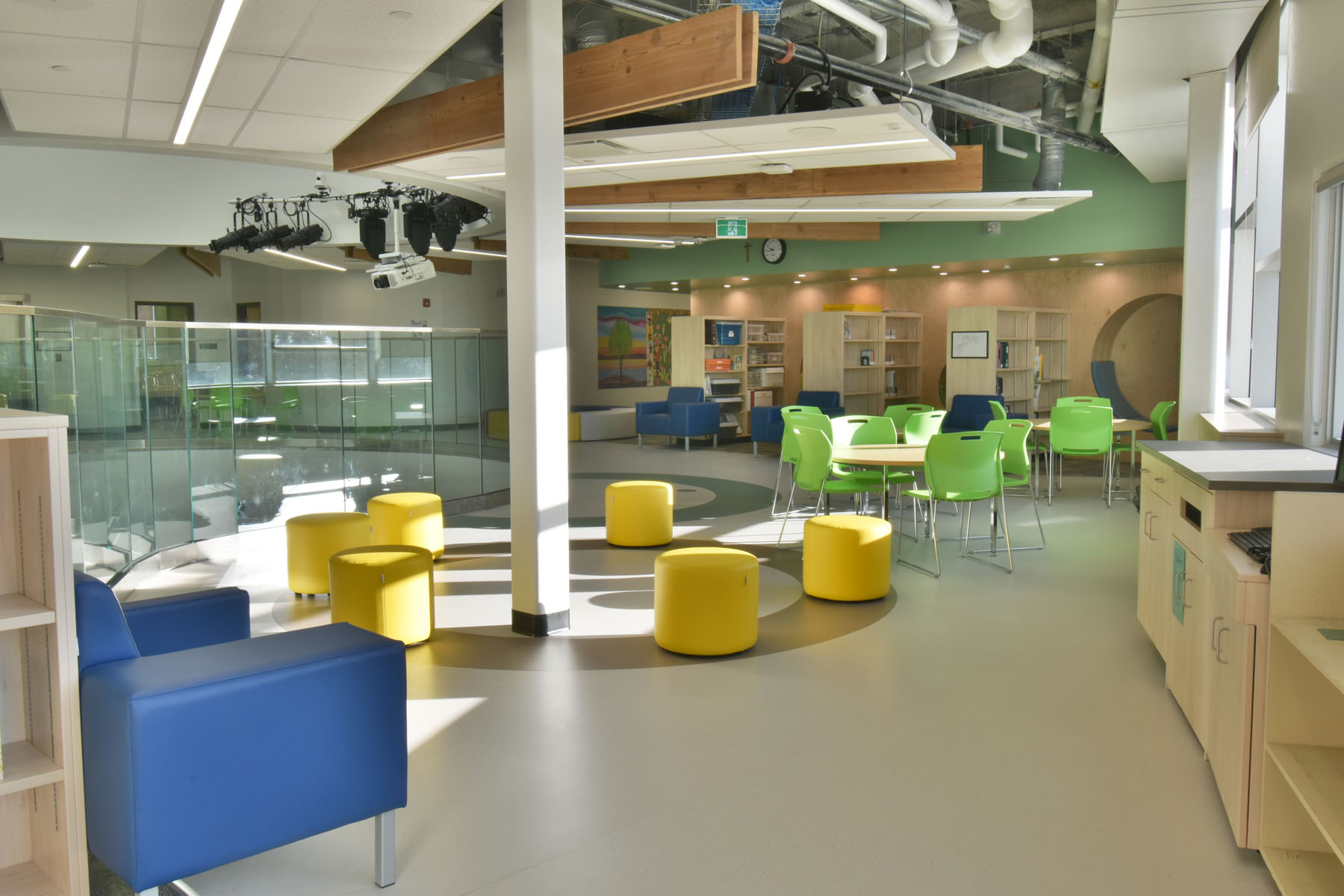
Every choice was made with intention. Soft edges, natural finishes, and flexible layouts create classrooms and shared spaces that feel calm, safe, and inviting rather than institutional. The furnishings encourage movement, collaboration, and comfort, supporting different learning styles and developmental needs. By investing in student-centred spaces, the school signals respect, pride, and belonging—creating an environment where children can grow, explore, and succeed.
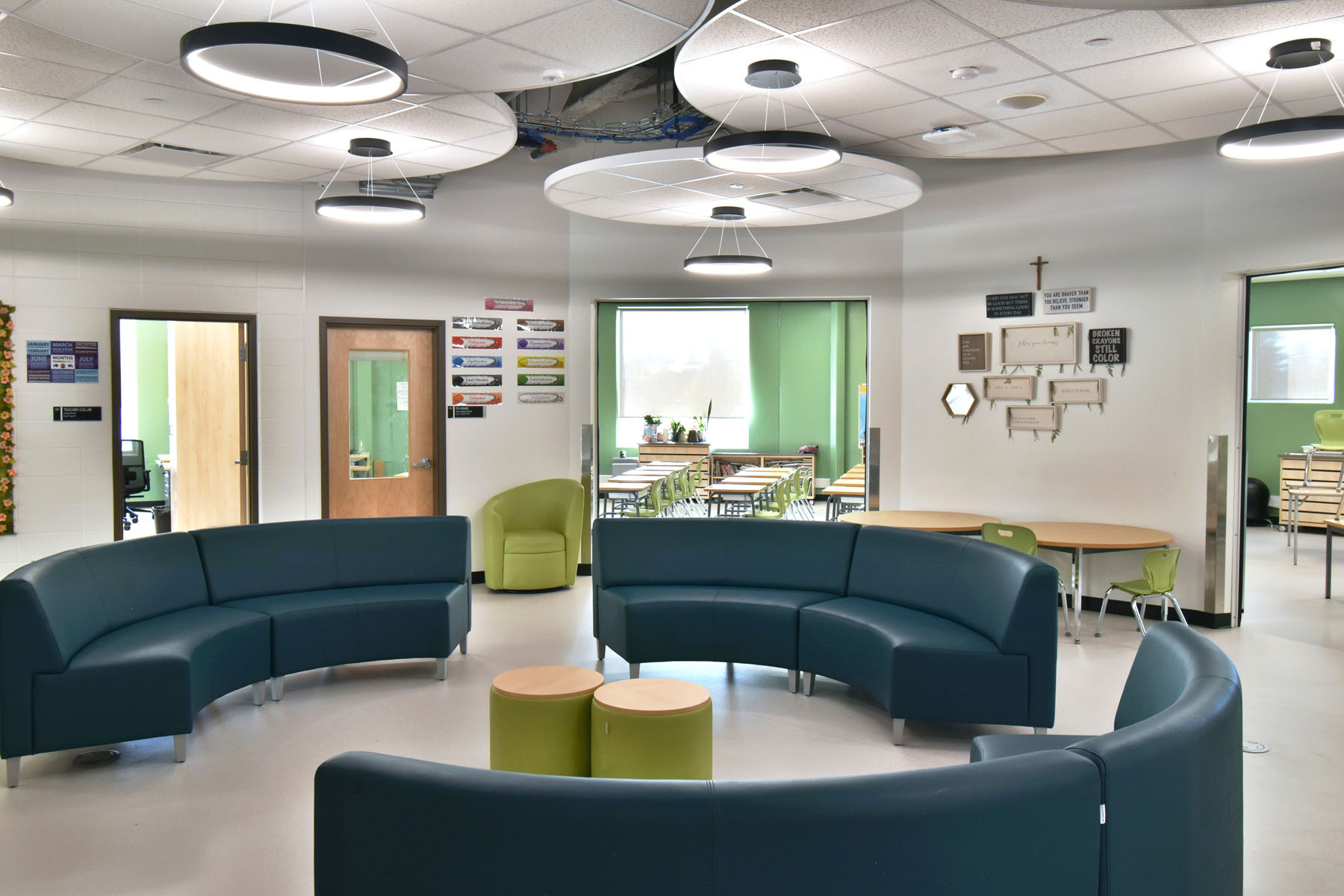
Concept3 listened carefully to the school’s vision and delivered thoughtful, flexible design solutions that support collaboration, wellbeing, and a strong sense of belonging while respecting Indigenous identity and community values. Their professionalism and attention to detail resulted in a welcoming space that reflects the school’s commitment to holistic learning, reconciliation, and excellence.
Key Takeaways
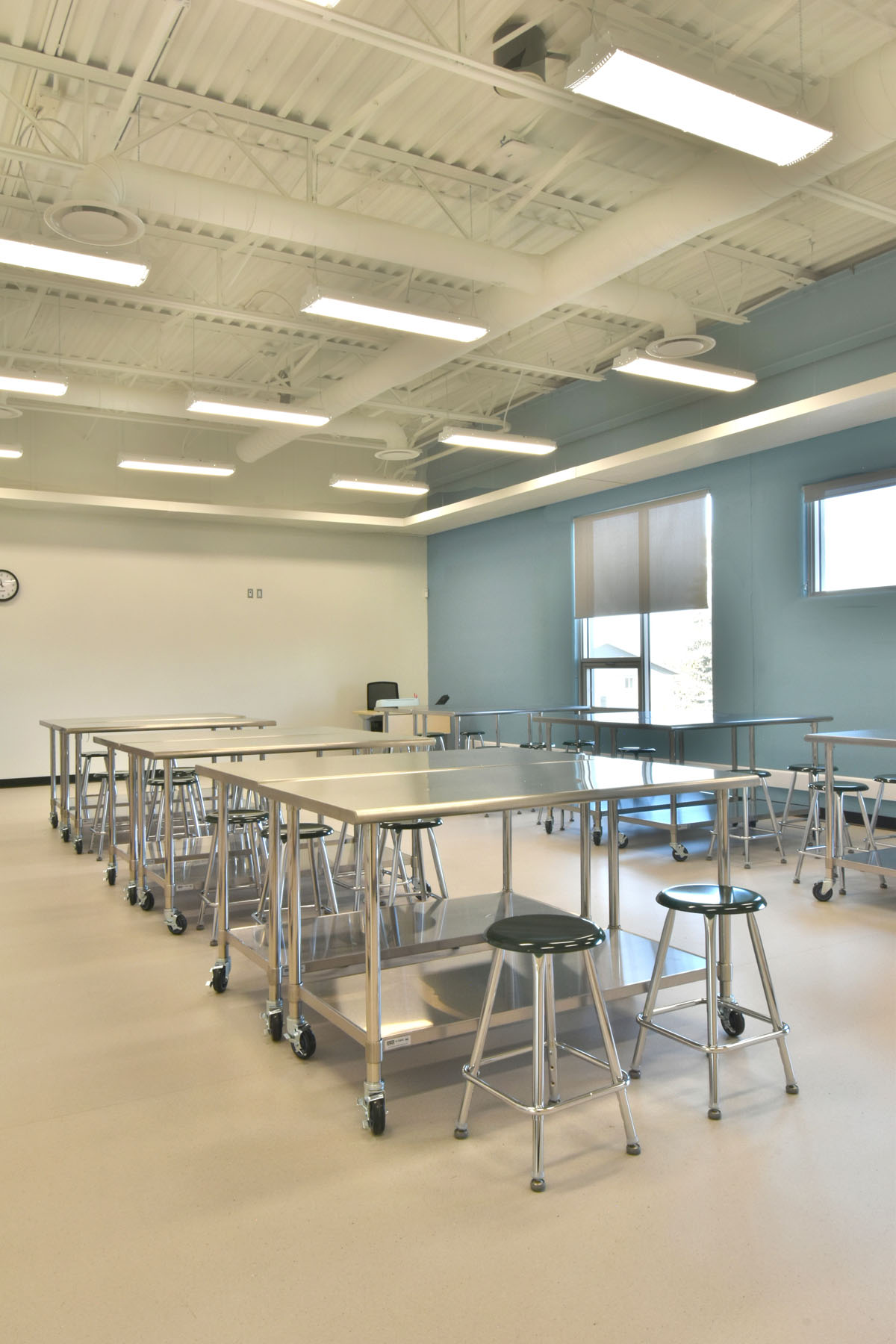
Design choices strengthened learning and belonging — supporting student well‑being, educator needs, and cultural identity throughout the school.-Furnished multiple learning environments, including classrooms, shared spaces, and child‑scaled areas designed for early learners.
- Prioritized safety, comfort, and flexibility, using soft edges, durable materials, and layouts that support different learning styles
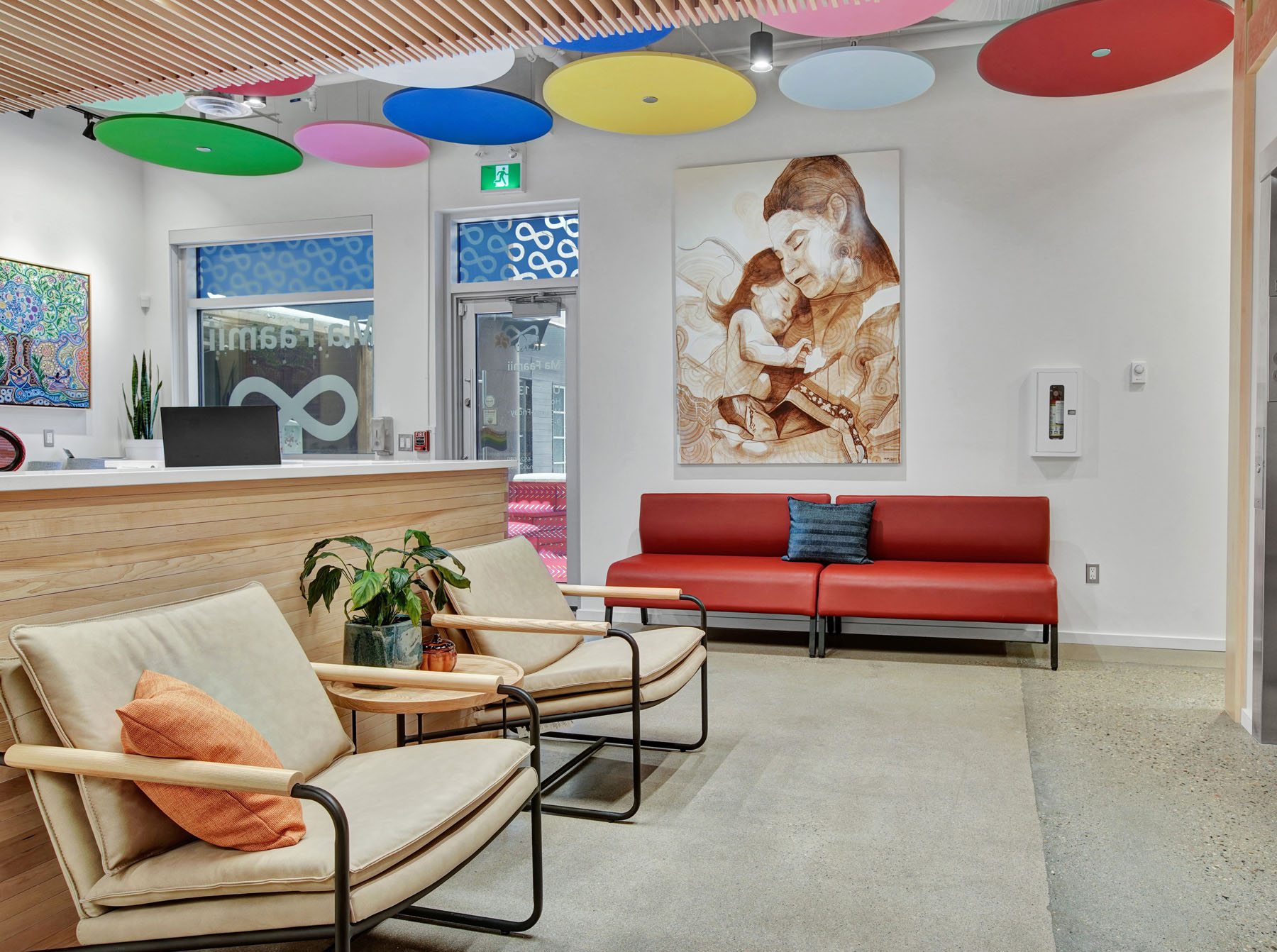
- Centred Indigenous identity and care, selecting furnishings that move away from institutional design and foster pride, warmth, and a sense of belonging for students
Project Summary
The awâsisak kâ‑nîmîhtocik St. Francis School project focused on creating learning environments that nurture children through care, cultural grounding, and thoughtful design. The goal was to move beyond standard institutional furnishings and instead support a school atmosphere where students feel safe, valued, and inspired to learn.
Furniture selections were guided by durability, child‑appropriate scale, and warmth, ensuring spaces could withstand daily use while remaining inviting and adaptable. Natural finishes, soft edges, and flexible layouts support a range of learning styles and activities, allowing classrooms and shared spaces to evolve with students’ needs.
At its core, the project honours Indigenous identity and community values. By prioritizing comfort, safety, and belonging, the furnishings help reinforce the school’s role as a place of care and growth—one where children are supported academically, emotionally, and culturally as they begin their learning journeys.